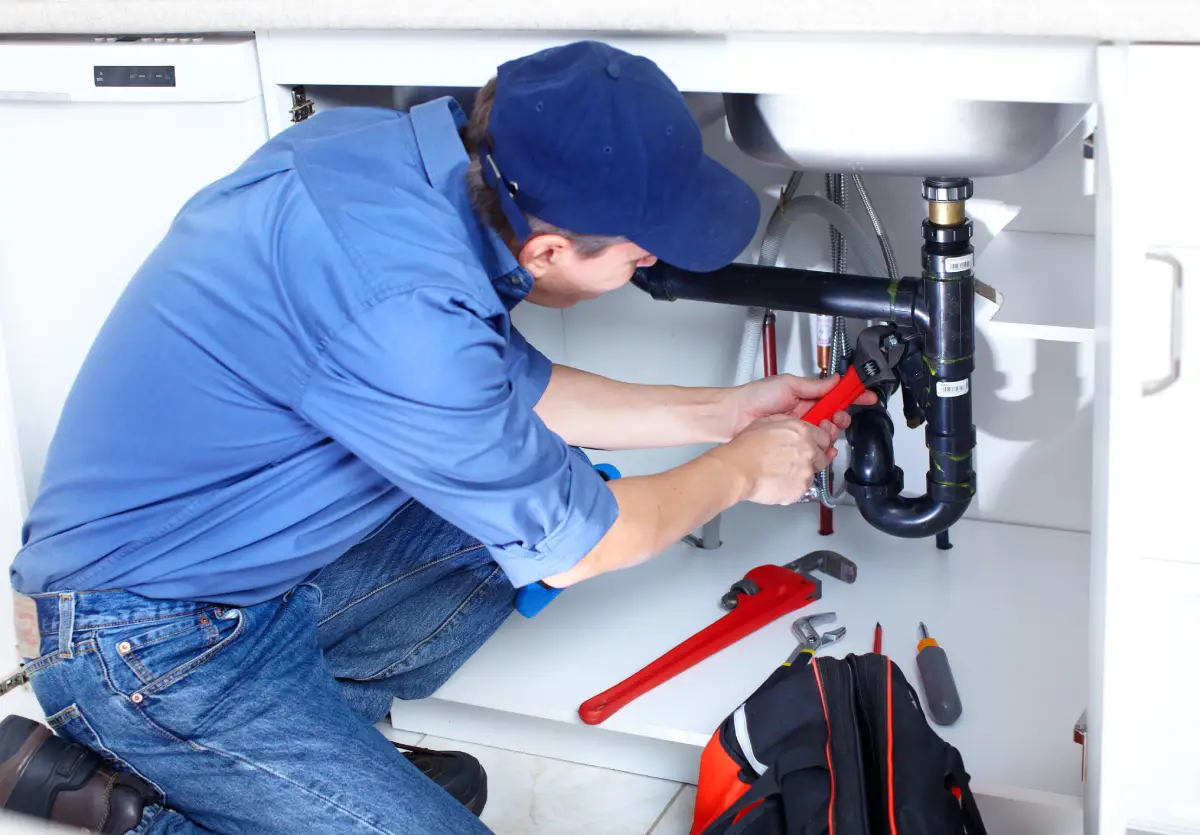
Ask any Columbus landlord what eats up the most time in property management, and repair calls usually top the list. But not all repairs are created equal. A one-off fix is just maintenance. A fix that keeps returning on the same system is a warning sign most owners miss until the bill gets a lot bigger.
At PMI Crossroads, we've seen this play out across dozens of residential properties: owners who dismiss recurring issues as bad luck often end up facing a full system failure that a solid tenant screening process alone can't prevent, because the cause has nothing to do with the tenant. It's the property's aging infrastructure catching up.
Key Takeaways
- Recurring repairs almost always point to an aging system, not a string of coincidences.
- Tracking repair history helps owners spot which components are close to failing.
- Planning ahead for replacements costs less than reacting to emergencies.
- Tenants stick around longer when major systems work reliably.
- Columbus's older housing stock makes this pattern especially common locally.
Every System in a Rental Has an Expiration Date
Roofs wear down. Pipes corrode. Water heaters lose efficiency. None of this is a surprise, but owners often treat each repair as its own isolated event instead of connecting the dots.
Reviewing past accounting records often reveals these patterns before anyone notices them on a walkthrough, since repair invoices tend to cluster around the same systems year after year. Columbus has plenty of homes built decades ago, and older housing tends to need more attention as systems age past their useful life.
Common systems that show wear through repeated repairs include:
- HVAC units
- Water heaters
- Plumbing lines
- Roofing
- Electrical panels
- Windows and door seals
Once a system starts generating multiple repair tickets in a short window, replacement usually makes more financial sense than another patch job.
A Pattern of Small Repairs Usually Means a Bigger Problem
Here's the thing about hidden damage: it rarely announces itself all at once. A stain on the ceiling, a faucet that won't stop dripping, an outlet that trips the breaker. Each one looks minor in isolation.
Aging Plumbing
Repeated leaks in different spots often mean the pipes themselves are corroding, not that one fitting failed.
Aging Roofing
A leak that keeps coming back after repairs usually points to failing underlayment or shingles nearing the end of their lifespan, not a one-time installation error.
Aging HVAC Systems
Frequent service calls often mean a compressor or motor is on its way out, even if the unit still technically runs.
Aging Windows
Persistent drafts usually trace back to worn seals from years of weather exposure, not a bad install.
Connecting these dots early means addressing the actual cause instead of paying for the same fix over and over. Nationally, homes reach a median age of 41 years, according to the U.S. Census Bureau, which helps explain why so many of these systems are wearing out around the same time.
When a Repair Stops Being the Cheaper Option
Small repairs make sense while a system is still fundamentally sound. But there's a tipping point where fixing something repeatedly costs more than just replacing it.
Working with dependable maintenance service providers helps owners get consistent updates on whether a system is still worth repairing.
A few signs that the math has flipped in favor of replacement:
Rising Repair Frequency
If the same contractor keeps coming back for the same issue every few months, the underlying system is likely failing.
Climbing Costs
Labor, materials, and scheduling fees add up fast, and they add up faster the more often a technician has to show up.
After-Hours Emergencies
Breakdowns that happen at night or on weekends carry higher service fees and more disruption for tenants.
Collateral Damage
A recurring leak, for example, can quietly ruin drywall, flooring, and cabinetry the longer it's left unresolved.
Before signing off on another repair invoice, it's worth asking what the total cost has been so far, and whether that number already exceeds the cost of a replacement.
What Your Maintenance Records Are Actually Telling You
A single work order doesn't tell you much. A full repair history does.
Reviewing repair logs regularly helps owners spot patterns like:
- Repeated plumbing leaks near the same wall or fixture
- HVAC repairs that show up every year before a season change
- Appliances that fail more than once
- Roof leaks that reappear after storms
- Wood rot from moisture that keeps coming back
Spotting these trends also makes budgeting easier. Instead of scrambling for emergency cash, owners can plan ahead for the systems that are clearly on their way out. Homeowners nationwide spent $503 billion in 2024 on remodeling and repairs, according to the Joint Center for Housing Studies of Harvard University, a figure that shows just how much upkeep older housing stock demands.
Recurring Repairs Help You Decide What to Fix First
Every rental eventually needs bigger investments. The hard part is knowing where to start.
Repair history gives you that answer. For larger jobs, working with a team that offers project timeline coordination makes managing contractors, budgets, and schedules far less stressful.
A new roof might eliminate years of recurring leak repairs. A new HVAC system might stop the annual summer breakdown before it happens again.
Worth weighing:
Repair Cost vs. Replacement Cost
Multiple repairs can quietly add up to more than a full replacement would've cost.
Remaining Lifespan
Knowing how long a system typically lasts helps you time the replacement instead of guessing.
Tenant Experience
Fewer breakdowns mean fewer complaints and better retention.
Budget Timing
Scheduling big-ticket replacements ahead of time avoids financial surprises.
Staying Ahead of Failures Costs Less Than Reacting to Them
Waiting for a system to fail completely is almost always the most expensive route, in dollars, in tenant frustration, and in property damage.
This is where a free rental analysis comes in handy. It gives owners a clear read on whether recurring repairs point to a bigger investment down the road.
Staying proactive typically includes:
- Annual inspections of major systems
- Seasonal HVAC tune-ups
- Roof checks after severe weather
- Plumbing assessments
- Exterior upkeep
- Small preventive fixes before they snowball
Tenants notice this kind of attentiveness too. Owners who fix things before they become a hassle tend to keep residents longer.
When You're Not Living Nearby to Notice
Recurring repairs are even easier to miss when an owner doesn't live near the property or visit often. Regular home watch inspections help catch small issues, like a slow leak or a failing seal, before they turn into the kind of damage that shows up as an expensive surprise.
This kind of oversight matters just as much for owners managing a single rental as it does for those with a larger portfolio spread across Columbus.
What Happens When Repairs Go Unresolved for Too Long
Sometimes recurring maintenance issues aren't just about aging systems; they're tied to how well a property is being cared for day to day. If a tenant repeatedly ignores maintenance requests or causes damage that leads to costly repairs, understanding the eviction process becomes part of protecting the property's condition, not just enforcing a lease.
That said, most recurring repairs trace back to the building itself rather than tenant behavior, which is why tracking patterns matters so much.
At PMI Crossroads, we track repair history, coordinate trusted vendors, and keep owners informed at every step. Our job is to help you tell the difference between a one-off fix and a sign that a major system is nearing the end of its life.
FAQs about Recurring Repairs in Columbus, OH
What's the difference between routine wear and a real warning sign?
Routine wear shows up once and gets fixed for good. A warning sign is the same problem returning within months, or a different system failing nearby. That repeat pattern usually means something structural is breaking down, not the fix itself.
Why do older Columbus homes seem to need more repairs than newer builds?
Older homes often still have original plumbing, wiring, or roofing nearing the end of their lifespan. These materials weren't built to last forever, and decades of use naturally increase how often something needs attention.
Is it better to replace one failing system at a time or bundle replacements together?
Bundling related systems, like roofing and gutters or HVAC and ductwork, often saves money on labor and scheduling. It also reduces the number of times contractors disrupt tenants, though budget constraints sometimes make phased replacement more realistic.
How do I know if my maintenance vendor is fixing the real problem or just the symptom?
Ask for a written explanation of the root cause after each visit. If the same fix keeps getting billed without addressing why it keeps failing, it's worth getting a second opinion from another qualified contractor.
Should tenant complaints about the same issue change how urgently I respond?
Yes. A tenant reporting the same problem more than once usually means the first repair didn't solve the underlying cause. Treat repeat complaints as a signal to investigate further, not just to schedule another quick fix.
Aging Systems Don't Have to Catch You Off Guard
Columbus rentals hold up better when owners catch these patterns early instead of waiting for a full breakdown. Recognizing recurring repairs for what they are, a sign that a major system is aging out, gives you room to plan instead of scrambling. PMI Crossroads works alongside residential property owners throughout Columbus to keep these decisions clear and manageable.
Our support includes:
- Preventive maintenance coordination
- Vendor management and scheduling
- Routine property inspections
- Capital improvement planning
- Emergency repair response
Give your property the attention it deserves. Head over to our owner resource center and get ahead of costly repairs before they start.