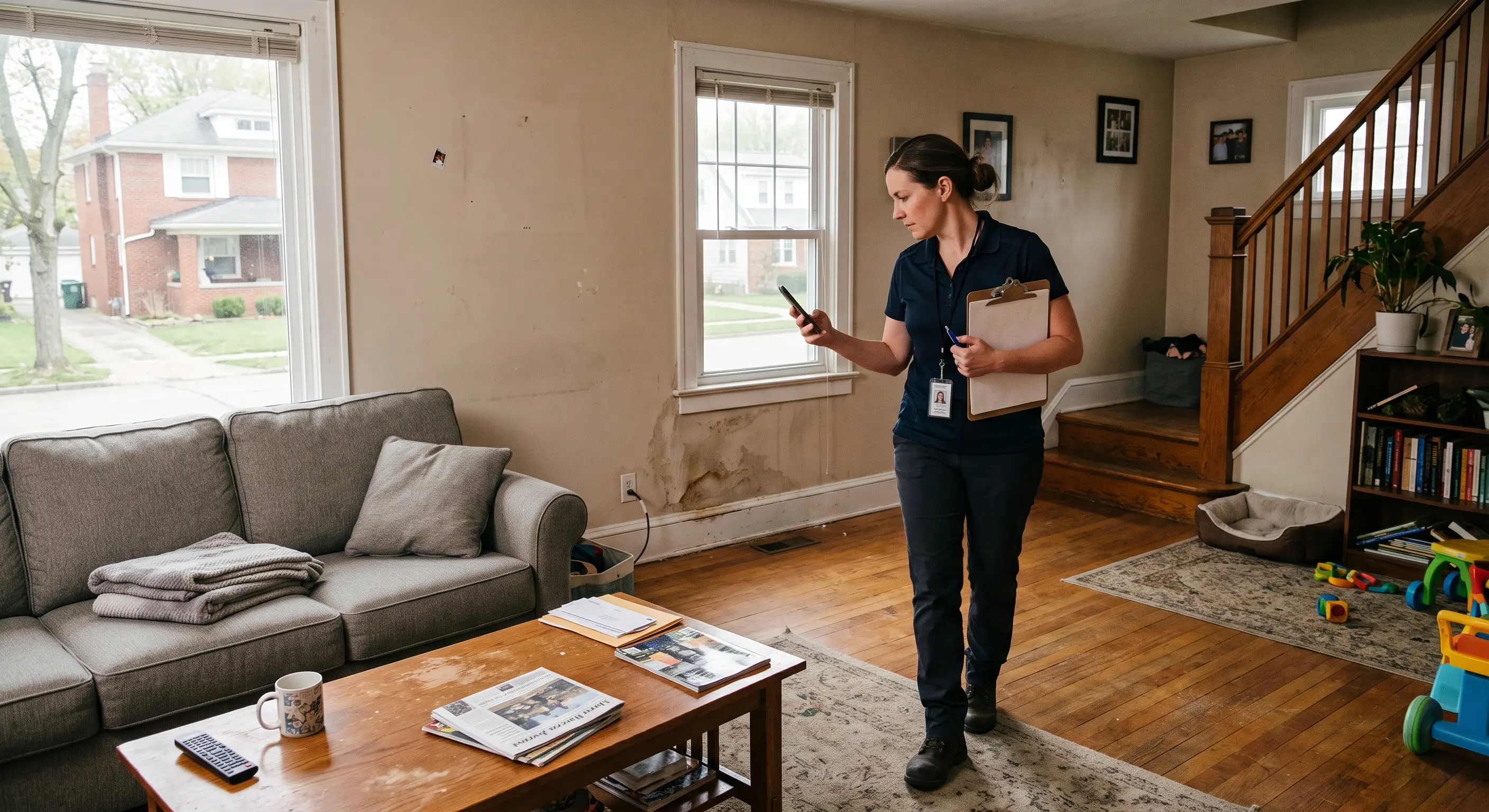
Somewhere between the first missed rent payment and a full eviction filing, most Akron owners had a chance to step in and didn't. A rushed application review at move-in, similar to what shows up in a free rental analysis, often turns into the exact kind of headache that surfaces months later. The pattern is predictable once you know what to watch for, and that's exactly what we're breaking down here at PMI Crossroads.
Key Takeaways
- Small tenant issues in Akron rentals tend to grow into expensive legal and financial problems if owners wait too long to respond.
- Unanswered maintenance requests are one of the most common early warning signs that owners miss.
- Weak screening decisions made before move-in often resurface as bigger conflicts later in the lease.
- Owners without a documented tracking system usually don't notice a problem until it's already serious.
- Working with a property manager closes the oversight gap that lets small issues turn into big ones.
Rent That Shows Up Late Every Month, But Never Late Enough to Act On
A tenant pays rent five days late one month, then eight days late the next, and each time it feels too minor to formally address. Owners in Akron often let this slide because the rent does eventually show up. The trouble is that a pattern of late payments without a paper trail leaves you with almost nothing to point to if the situation escalates.
Nationally, the pattern plays out at scale. Landlords filed roughly 1.23 million eviction cases in 2025, and many of those cases started with exactly this kind of overlooked pattern.
A Notice Sequence That Actually Holds Up
Handling a rental this way takes consistency, not guesswork. Ohio has specific procedures for how notice has to be delivered before a landlord can move toward eviction, and skipping a step early can set a case back by weeks. A more dependable sequence looks like this:
- Put a written notice in writing the moment a due date passes instead of a phone call or text.
- Record every late payment, partial payment, and promise date in one place.
- Apply the exact same notice timeline to every tenant, without exceptions for anyone.
- Move to formal notice once a set threshold, like two missed months, has been hit.
Small Lease Violations That Feel Too Minor to Mention
An extra pet, a guest who's stayed a little too long, a parking spot used without permission. None of these feel worth a confrontation on their own, but each one that slides makes the next easier for a tenant to justify. Getting familiar with the eviction protection plan options available to Akron owners gives you a framework to fall back on instead of deciding case by case how much you're willing to overlook.
Maintenance Calls That Sit Untouched for Weeks
A repair request that goes unscheduled rarely stays small. What starts as a quick fix often turns into a bigger, pricier job the longer it's ignored, and it puts real strain on the relationship with your tenant. Owners who've read our piece on why recurring repairs signal deeper problems already know this firsthand.
A Leak That Nobody Circled Back On
A tenant flags a water stain on the ceiling, and the message gets buried. A month later, the drywall has gone soft, and what could've been a patch job now involves insulation replacement and a mold inspection.
An Air Conditioner Issue Pushed to "Later"
Weak airflow gets reported in early June, and the owner figures it can wait. By the time anyone looks at it, the unit has failed during a heat wave, and a routine service call has become an after-hours emergency.
According to a national repair and maintenance benchmark study covering more than 680,000 work orders, general maintenance requests took a median of 14.8 days to close. That's more than enough time for a minor problem to grow into something owners can't dismiss, and it can weaken your position if a habitability dispute ever lands in court.
Owners running into these patterns can turn to our maintenance services to keep requests from stalling out in the first place.
Screening Shortcuts That Show Up Months Later
A good number of the disputes owners deal with eventually can be traced straight back to who got approved for the lease. Skipping a background check or rushing through an application saves a few days upfront but tends to cost far more once a difficult tenant is already in the unit and hard to remove.
Screening carefully at the start, verifying income, checking rental history, and reviewing background information, cuts down on the odds of ending up with a tenant who generates repeat problems. This matters even more with occupied properties owners aren't managing full time, which is where a home watch service can catch issues before a tenant even reports them. It also connects to why Canton rental owners need a faster, more disciplined leasing process from the start, since a slower process tends to invite shortcuts.
When There's No System Tracking Any of This
A quieter but just as common issue is simply not having a consistent way to track what's happening at your property. Owners self-managing in Akron often don't realize there's a problem until it's already serious, in much the same way a listing has about five seconds to earn attention before a renter moves on.
Payment history gets scattered across texts and bank statements, so a missed payment is easy to lose track of. Maintenance requests come in by phone with no written record, so nobody can say how long an issue has actually been open. Lease violations get noticed once, mentioned once, and never written down anywhere useful.
At PMI Crossroads, we track payment history, maintenance requests, and lease compliance continuously, so problems get flagged while they're still small enough to fix easily.
FAQs about Recognizing Early Rental Warning Signs in Akron, OH
Could I get in legal trouble for responding to a tenant issue too quickly?
Yes, that's possible. Acting outside your lease terms or Ohio's required notice procedures can expose you to claims of retaliation, even when your intentions are good. Always confirm your documentation and timeline align with local law before taking formal action.
Will tenants think I'm being difficult if I address small issues right away?
Most tenants respond well when expectations are communicated clearly and consistently from the start. Addressing minor concerns early usually prevents bigger misunderstandings down the road. Staying focused on lease terms rather than personal frustration keeps the relationship professional.
Is professional oversight worth it if my tenant always pays on time?
It often is, since on-time rent doesn't rule out other issues. Unauthorized occupants, repeated lease violations, or property misuse can still lead to costly repairs or disputes. On-time payments are only one part of a healthy tenancy.
How expensive can it get if I wait too long to respond to a warning sign?
The cost depends on the issue, but delays can mean higher repair bills, longer vacancies, legal fees, or unpaid rent if eviction becomes necessary. Acting early is almost always less expensive than resolving a fully escalated dispute later.
Should a long-term tenant get more leeway because they've been reliable in the past?
A solid track record is worth factoring in, but consistent enforcement still matters. Making exceptions without a clear, documented reason can create confusion and make it harder to enforce the lease if new problems come up.
Getting Ahead of Problems Before They Cost You
Most eviction filings didn't start as full-blown legal disputes. They started as a late payment nobody followed up on, or a maintenance call nobody scheduled. That gap between "small issue" and "expensive problem" is exactly where owners have the most control, and exactly where it's easiest to lose track of things without help.
PMI Crossroads works with Akron owners to catch these patterns early through consistent documentation, lease enforcement, and ongoing oversight.
Start protecting your rental income by reaching out through our owners page, and let us show you what consistent oversight actually looks like.